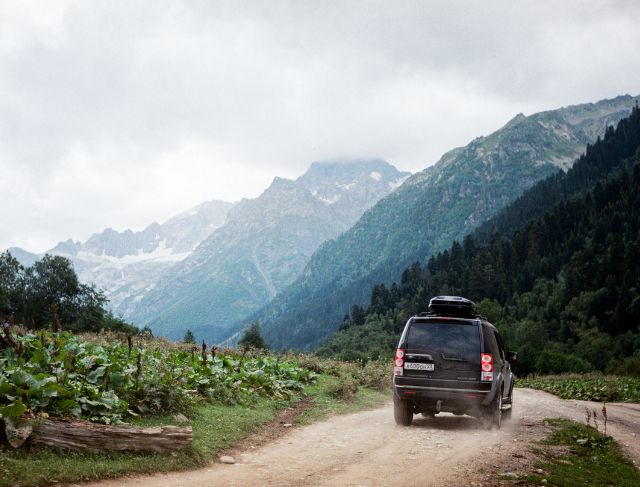

Few things can make a road trip more memorable than an unplanned discovery; whether it’s a hidden diner along the side of a quiet highway or a weird roadside attraction, or even just an unexpected lookout point that wasn’t on the itinerary, unplanned discoveries are often the highlights of your trip. However, ironically, you will appreciate these spontaneous moments even more if you have already prepared everything else before getting on the road.
While most people think about where they are going when taking a road trip, experienced road-trippers know preparation is the key to experiencing both an unforgettable adventure and a frustrating drive. Below are several easy habits you can build upon to help ensure a smooth-safe trip and allow yourself plenty of opportunities for unplanned discoveries.
How to Prepare Your Wheels Before You Get On Them
The last thing you want to experience is a mechanical problem hundreds of miles away from home. Prior to departing for your trip, take the time to check the oil level, tire pressure, level of washer fluid, and condition of your tires. These quick checks take just a few minutes to complete but could save you from experiencing major difficulties later in your trip.
Keeping a few items for emergencies in the car is also a great idea. Having items such as jumper cables, insurance information, roadside assistance phone numbers, and your vehicle’s owner’s manual can be very useful if something goes wrong with your car.
You may find yourself in a situation where you needed to get something from your car but could not. So, it is always best to have a safe solution in mind, rather than trying to figure out a solution while you are on the side of the highway.
First Download, Then Travel
Today’s high tech travellers heavily rely on their mobile phones; however, most people will not have access to cell phone service in all places. If you happen to be on a mountain road, a rural highway or in a very remote location, it will be very likely that you will have no cell tower coverage and will therefore not have access to your GPS or other app that gives you real time navigation information.
Before you take off, the best habit you could implement is to download offline maps to your mobile device. Have written directions for getting to locations, gate access codes, the check-in instructions for the place you are staying, and the contact information for your accommodations. If you do run into a situation where you cannot access the internet, and you have all the information you need to reach your destination, you will not be frustrated.
Some travellers will bring along paper maps. Although they seem a little old-fashioned, physical maps are able to show you the route in more detail and may even have alternate routes and sites along the way that are not available using a GPS or mobile app.
The True Secret to Enjoyment While on Road Trips is what Happens Along the Way From A to B.
Many travelers will plan out different stops they would like to make along their route ahead of time, instead of just driving straight through. There are many different types of places that become great “memorable highlights” while traveling – Local restaurants, Scenic viewpoints, Quirky tourist attractions, and Historic Landmarks, in addition to Small-town attractions.
Foodies may want to find famous local foods along their route. Others may want to search for different kinds of roadside attractions that are unique to that area. Even just a couple of minutes at each stop can turn an otherwise ordinary drive into an adventure in itself.
Road Trip Snacks are More Important than Most People Realize
When hunger strikes during a long ride in your car, Convenience stores and Fast-food restaurants can be very appealing. Many experienced road trip travelers will buy themselves a cooler full of quick snacks and drinks. By packing fresh fruits, vegetables, trail mix, granola bars, and plenty of water in advance, travelers can continue to feel energized throughout their travels.
It is also very important to stay hydrated while traveling; many people do not drink enough water while they are behind the wheel for many hours at a time. To combat this problem, travelers should keep their refillable water bottles close so it is easy to continue to drink water and stay focused on driving during long distances between rest stops.
The Aftermath of Long Haul Travel
Whether you are going on a cross-country road trip or just taking the long way home, having entertainment to fill those long miles is a must. For most people, the music associated with their travels will remain in their memories for years to come – a playlist from a road trip can be played ten years later and instantly bring you back to that trip.
Many travelers enjoy preparing a custom playlist prior to going on their trip. This adds another dimension to the overall experience.
If you are traveling through areas with limited Internet service (in particular) you may also consider downloading podcasts, audiobooks, or other forms of content to keep yourself entertained and occupied. It is a good idea to have a back-up battery or charger to reduce the chance that your entertainment will be unavailable to you halfway through your journey.
Classic Road Games Continue to be Fun
Traveling does not necessarily require action or adventure to pass the time while on a long journey. Many forms of games involve little or no wear on your vehicle in the process of having fun. These games may be played by children or adults and can provide hours of entertainment.
These games include: identifying license plates from different states; ranking your five favorite movies; debating with fellow travelers which cities are the best in terms of travel destination; and creating themed challenges or games. While many will argue about the number of miles they managed to drive without stopping; others will be kicking themselves for not remembering what they watched on the internet while in a car all day.
More Than Emergency Equipment: Trip Safety
A good safety plan for your road trip is more than just what you have inside your car.
Before you leave, make sure to notify a reliable friend or family member of your plans, including where you are going and when you are expected to return home. This serves to give you a little piece of mind for yourself and provide a little extra safety, too.
Other basic supplies, like hand sanitizer, first aid supplies, some cash (in small denominations), a blanket, paper towels, etc., can come in handy in case of an emergency.
The goal of your preparation is not to prepare for every disaster that might occur. However, by preparing yourself, you will reduce the stress of your trip and have a great experience.
Making Space for Spontaneity
Overplanning a trip is one of the biggest mistakes that you can make on a road trip.
Preparation is supposed to create an opportunity for you to be free with your travel; it isn’t meant to restrict your spontaneity. After doing the work required for navigation, safety, supplies and vehicle maintenance, you will be able to take spontaneous detours, stop at attractions you may not of originally planned for, and stay longer at places you enjoy.
Road trips are more fun when you don’t follow your exact plan! It is not uncommon for some of your best travel experiences to come from times you left your planned itinerary aside for a few hours and just went where the road took you.
To have a successful road trip, you need a good balance of planning and flexibility instead of following too many rigid schedules.
This includes things like going through the car, having map apps downloaded on your phone, packing necessary items, preparing entertainment (if using any), and being open for unexpected things that may come up. After you have these basics done, you will find the open road much more fun.
Because the best road trip stories usually begin with words that no one expected to say – “Let’s see what is out that way.”