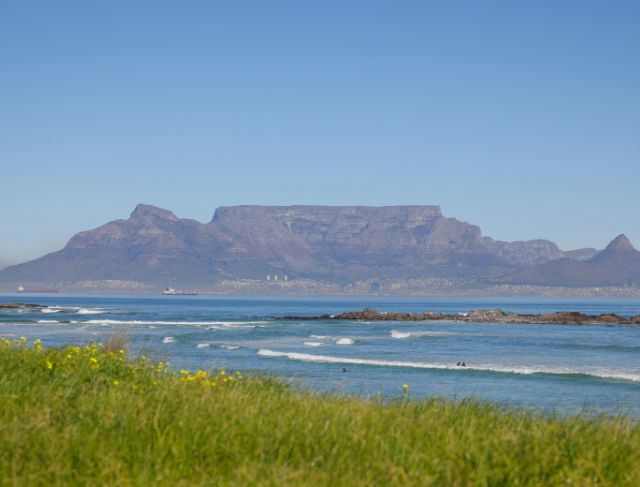

However, nearly every memorable moment in this city is characterized by this one distinctive landmark. This monolith can’t be missed; its summit is incredibly flat and thus catches everyone’s attention.
The classic geographical formations usually have steep peaks, whereas in the case of Table Mountain, it doesn’t have any signs of being a mountain. Its flat summit creates an impression that it was never meant to be this way, which automatically leads one to think of how nature could create such an awkward formation.
In reality, the reason for Table Mountain to look the way it looks is an extremely long geological history, which helps explain the geological past of the area.
Hundreds of millions of years ago, its territory laid much lower than the sea level, and it was a flat landmass that had been covered with the layers of sediments. It was raining, blowing, and changing the surface to expose this granite formation.
This timeline may seem difficult to visualize as Table Mountain is not merely ancient; it is part of an altogether different planet’s story. According to the scientific community, Table Mountain predates several of the more famous mountain ranges in the world. Not being a very young mountain like the Himalayas or Rockies, Table Mountain must have been shaped much longer.
The scope of its influence extends beyond its top. Together these jagged cliffs produce one of the most recognizable views of South Africa. Whether you view it from the downtown area, a neighbouring beach, or even from the water, Table Mountain steals the show.
Its impact goes further than just affecting how people take pictures of it though. Due to its very large size and location, Table Mountain causes peculiar weather changes in the area that make it more pleasant for people than what they would expect in this part of Southern Africa.
The locals called this magical phenomenon the “tablecloth.” This spectacle happens rather quickly, and just a few minutes is all it takes for a perfectly clear day to turn into a marvelous event of the nature.
Meteorologists attribute the tablecloth phenomenon to a particular process where moist air from the ocean rises up the mountain’s steep cliffs, causing the air to cool down and transform into clouds as it rises up. In this way, we get one of the most photographed displays of nature of The Cape Town.
However, besides science, there exists an interesting legend. The legend suggests that the clouds are caused by the smoke of endless smoking competition between a pirate named Van Hunks and the Devil who runs the competition. The smoke goes up the mountain at the time of their competition.
Table Mountain’s personality is enriched by both the science and myths surrounding it. It contributes to the feeling that the mountain is more than just a tourist destination.
The mountain is known for changing its moods multiple times throughout the day. Mornings may provide beautiful views over the Atlantic Ocean, whereas afternoons may cast the rocks in bright golden shades. Then, there comes the possibility to see the famous tablecloth changing everything around it once and for all.
This phenomenon allows photographers to enjoy the process. No day looks the same as the weather keeps changing constantly.
Those who love adventuring on their vacations can pick whatever they like. Either way, coming to the peak is rewarding and breathtaking.
The most amazing feature of Table Mountain is that it creates an invisible link between the many years of Earth’s history and contemporary urban life. However, the quiet appearance of Table Mountain conceals the fascinating geological history.
Table Mountain does not earn its name of being the most magnificent landmark due to being the highest mountain in the world but due to its ability to symbolize time.