
Having an 800+ credit score has nothing to do with any hacks, insider information, or a viral trick. An 800+ credit score is established through consistent application of a small number of basic rules over an extended period of time. That’s the way it works; boring is exactly what lenders want.
Whenever you apply for a loan, there will always be a “silent judge” in attendance. The “silent judge” will not consider how confident you appear or how you dress. The only thing that matters to the “silent judge” is your credit score. High scores reflect lower interest rates, while lower scores will cause you to pay higher rates for several years without realizing it.
While it is necessary to understand how to build a credit score, it may be helpful to consider why a credit score exists. Your credit score answers the lender’s most fundamental question, “Will this person repay the money I lent?”.
Beyond that, everything else is merely the mathematical representation of this underlying concept.
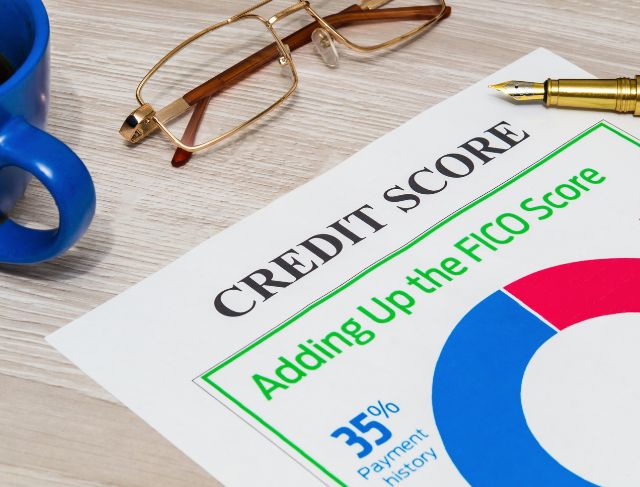
The most important factor in any credit score is payment history. The vast majority of your credit score comes from how often and when you pay your bills on time. If you have a history of making payments on time (at least 98% of the time), this indicates to lenders that you are very reliable. Missing one payment doesn’t mean you are financially dead, but creating a long track record of making timely payments is what differentiates a low credit score from an ideal credit score.
Another way to look at it is that having one account that you make perfect monthly payments on looks good, but when you have many accounts and all of them have been paid perfectly month after month, you’re viewed as potentially unstoppable.
Debt is not bad. The real issue is relating how much debt you use compared to how much debt creditors allow you to carry. Credit cards are the most sensitive area regarding the percentage of credit limit you use. If you utilize only a small percentage (ideally single digits) of your available credit limit, this demonstrates control, whereas maxing out your credit limits demonstrates chaos and/or stress to lenders.
The same holds true for installment loans. The fact that you have successfully paid down in full an auto loan or student loan shows financial stability and consistency rather than desperation.
The third area of concern for lenders is time. The duration of your credit history reflects the experience you have developed in surviving financial strain due to economic downturns, changes in jobs, or unanticipated expenses without significant financial failure. This offers confidence to lenders; therefore, closing and/or removing old accounts may physically clean up your record, but it potentially shortens the length of your personal credit history—and a shorter history makes a lender feel less confident about the likelihood of default.
Having a variety shows balance in your handling of diverse projects. You have credit balances and loans that indicate your ability to manage many responsibilities effectively, and not to worry. You will not need as many different accounts in your name; therefore, it is recommended that you look for opportunities to show your capability through variety but only have a few different types.
If you create new credit accounts all the time, it will show as an attempt to gain all the cash you can before accumulating too many accounts, or both. Creating one or two new accounts will not hurt your score; however, if you make a lot of new requests for credit, this will weaken your score.
Restraint is the key to building trust more quickly than excessive use of the service.
If you want to obtain your ultra-low interest rates, have instant decisions made regarding your applications, and derive the maximum benefit from your credit accounts while maintaining minimal stress, it is critical to maintain a high credit score. Building a stable financial foundation takes longer than just becoming a member of a financial cooperative; however, as your habits of managing money accumulate, they continually build the basis for a higher score.
Having an 800 credit score does not equate to perfection; it requires patience. Regularly pay your bills on time, keep your balances below the limits of your accounts, do not unnecessarily close your accounts, and create good habits in how you manage your finances through regular deposits into a checking account. Over time, as you do these things consistently, you will be surprised when you look at your credit score and find yourself at an acceptable level of creditworthiness.