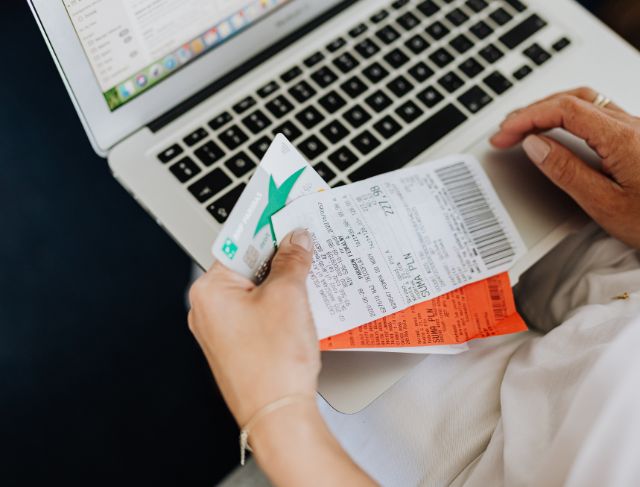

Credit cards are not all bad and they are not just toys that you could use freely. The decision to either rip them up or keep them in your wallet depends a lot more on you personally than some money person bellowing into a big microphone saying what they think.
There are people who can treat a credit card the same as getting free money, with a delay on their payment. There are also others who treat it as just another calculator that gives back a little something for simply using it. In both cases, they are using the same piece of plastic, but they have completely different outcomes.
As you may know, Dave Ramsey is a big proponent of getting rid of credit cards completely. He feels very strongly about this, not just slightly. He feels that credit cards are just as bad for your finances as cigarettes are. His reasoning is quite simple, but simply quite effective: Credit cards put people into debt, and that debt will destroy your life through a great deal of pain and suffering.
Interest rates on credit cards are absolutely astronomical. We’re talking at least double digits, and usually falling somewhere between “terribly uncomfortable” and “financial chokehold.” If you carry a balance on your credit card, you pay real money every month to have the privilege of owing money. This can accumulate to huge amounts of money in no time at all.
Research has demonstrated an interesting truth about human behaviour: we tend to spend more money when we aren’t suffering immediate pain for our purchases. Using a credit card is much less painful than pulling out cash to buy something. The pain associated with the purchase seems to be much lower when you swipe a card than when you physically hand cash to the cashier. Even though you purchased the same item for the same price, one of them has a much greater effect on you on an emotional level.
People generally will check out their purchases using plastic (credit/debit), usually willing to pay significantly more than if the item(s) being purchased had been paid for using actual physical cash (Note: cash also costs money – your hard-earned dollars may not always be used directly towards a particular purchase.) Many restaurants noticed this and average bill totals rose at the same time that credit/debit cards became more commonised, including in food service venues such as fast food.
A credit card (or debit card) is primarily about providing benefits to large banks and corporations, since they charge interest on money out, along with additional fees (swipe fees, merchant fees, etc.), as well as being an advantage to those individuals who buy things they may have never bought if their only options were cash.
These individuals make the argument that purchasing items with credit and/or debit cards should not be penalised since if you are purchasing something with either of these payment methods you can take advantage (on a reward or cash-back program) on those purchases as well.
For example, you buy an expensive item, pay for it with cash — the money you use to pay for it is gone forever. However, once paid with a rewards/credit card you will receive money back later from the item using a payment option that has no fees or taxes associated to it at the time of the transaction. In other words, by paying with either a credit or debit card you will receive, later on, a small percentage of the purchase returned to you. Same item, same transaction, different results.
A person who uses a debit card will have no protection against fraud or theft on a debit card. A person’s bank account cannot be protected from fraudulent activity. If you have a debit card stolen, your rent or shopping for groceries may be affected first by that incident.
Credit cards are also excellent tools for helping you to build a good credit score. Having a good credit score can help make it much easier to find housing, as well as apply for a mortgage or obtain a loan. Credit cards do not disappear if you fail to use them for any reason.
Being responsible with credit cards requires discipline on the part of the cardholder. Credit cards do not come with any type of protection for their usage and without any type of budget, credit cards can easily lead cardholders to spend more than they intended to. Credit card usage without the ability to pay the full balance each month can also be a source of stress and frustration for the cardholder, since the amount of interest paid will often exceed the amount of any cash back or rewards that may have been earned.
There’s more to this conversation than Dave Ramsey vs. anyone else – it’s also about whether you can take advantage of a system or be used by one.
Credit cards can provide value if you don’t spend more than you can afford to pay off at the end of every month, track your spending closely and understand their benefits. If you are unable to meet those requirements (which includes tracking your spending) credit cards are nothing more than a trap.
If credit cards aren’t for you (whether it’s due to stress, confusion or inability to pay amounts due), cut them up and don’t ever think about them again. On the flip side, if you are organised, disciplined, and intentional with your resources, you can use credit cards as an advantage. It’s the same piece of plastic; however, your experience with them can be completely different.