
The Maldives is frequently linked with luxurious resort islands, overwater bungalows, and private beaches. But in addition to these scenery-rich places is an everyday life of local people. Visiting Malé, the capital of the Maldives, gives a completely different view of the country.
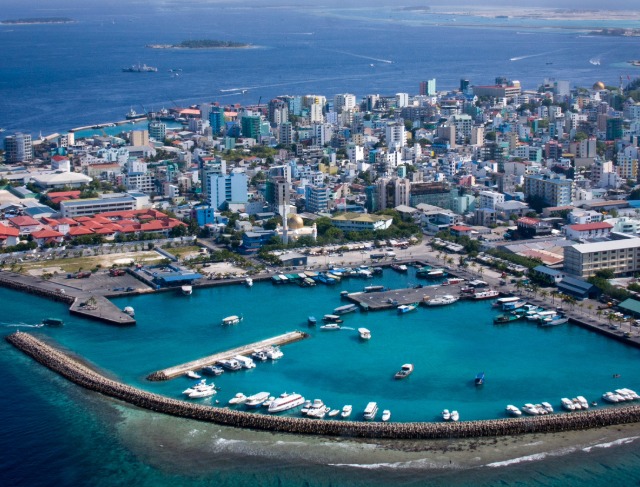
Malé is a very small city of around six square kilometers and is home to approximately 200,000 people. Due to this small size, most of the cities can be explored on foot, which gives travelers a chance to visit various places in the city such as shops, streets, markets, mosques, and waterfront.
One of the first places to visit is an artificial beach that is a favorite spot for local families. The clear water and tropical climate demonstrate the beauty of the Maldives but the city may seem quite different from a beach resort.
A major influence of Islam in the country can be seen everywhere. There are a lot of mosques in the islands and the architecture as well as the day-to-day life of Malé reflect the fact that the population is predominantly Muslim.
While wandering around the city, one gets to learn about the services offered by the locals. A small barbershop visit resulted in shaving and getting a haircut along with a facial treatment. The barber, who is from Bangladesh, has been living in Malé for several years which indicates how multicultural Maldives is in nature.
This multiculturalism becomes more evident when visiting the market where one can find fresh fruits and vegetables, fish, and various food products from different food stalls. One can taste local dishes while watching the locals return from shopping.
One of the food items tried was a kind of flatbread stuffed with fish. It is believed that it consists of tuna which is one of the main fish products in the country. Local tea and coconut sweet were also consumed.
The fish market is another opportunity to understand how the life in the city proceeds. The tuna and other seafood are prepared for sale and brought to the restaurants or local inhabitants. These markets show how life of Malé is tied to the ocean.
The local community’s friendliness was proven again through a book fair and meetings with local residents. The city’s rich social composition has been enriched by individuals from areas like Bangladesh and Sri Lanka.
Malé is also a place where the 2004 Indian Ocean tsunami events are remembered. A structure can be seen at the southern shore of the island to remember this tragedy.
Finally, the day ended in a pleasant place on the west side of Malé where locals meet to fish and watch the sunset. There are no tourists around, so one may enjoy the view of the ordinary life in the Maldives.
Those who dare to look deeper into Malé can learn the Maldives is much more than just luxurious villas. Its markets, food, people, and culture show the authentic face of this country that is equally beautiful and unforgettable as its beaches.