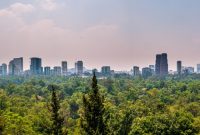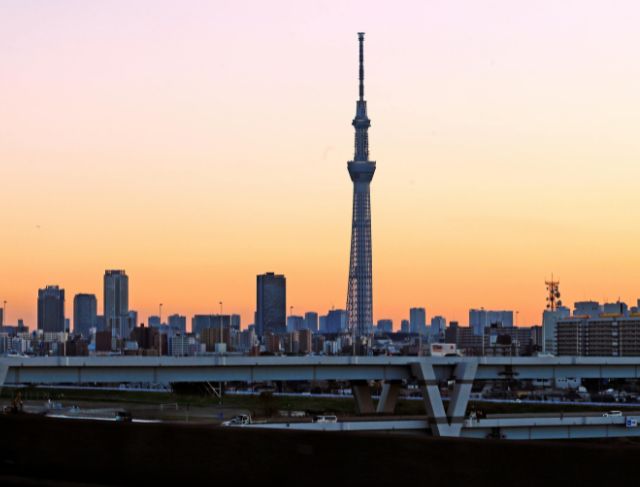

Tokyo is a massive interconnected web of ten cities combined; one moment you’re beneath towering high-rises sparkling with colourful digital advertisements, and then within just a few blocks, you find yourself tucked into a small alleyway filled with old noodle shops, bicycles and serene temples nestled between apartment dwellings. That distinct contrast makes Tokyo such an amazing city to visit. From a distance, this sprawling metropolis appears to be a futuristic machine, but it is a city that has been modified by natural disasters (earthquakes), political dramas between samurai clans, calamities due to the effects of world wars, as well as hundreds of years of rebuilding and restoration.
People are usually attracted to Tokyo for the crazy amounts of people living there or working as part of the fast moving lifestyle; but the reality is that the history of Tokyo goes back much further than the advertisement boards located at Shibuya or the bullet train system used for travel around Japan. Originally known as Edo, the area was founded as a village built around a castle with multiple moats and waterways surrounding it. By examining modern maps of Tokyo, you can identify remnants of Edo underneath the buildings, roads and railroads.
First-time visitors to Tokyo find the street plans unusual when compared to most western cities. In western cities, streets typically form a nice orderly grid pattern with streets generally following a numbering or naming convention. It can feel like you walked into a place where someone spilled some uncooked noodles on a map and then tried to build a street around it. There is no consistent pattern for various types of streets. Some streets are quite narrow with lots of turns, some streets simply end in mid-block, and some streets aren’t numbered or named at all. This may sound like pure chaos; however, the reason the streets of Tokyo ended up being arranged this way is a result of how certain social classes were grouped when the city developed during the Edo period (1603 – 1868). People who had money (wealthy, samurai) tended to settle further up on hills than those that didn’t (merchants, commoners). As a result, the wealthy lived in a much less dense area of the city than the merchants and common folk living along commercial sites and near waterways.
Tokyo has been shaped by its geography. Japan is located on the Pacific “Ring of Fire” – one of the most seismically active places on earth – which means that it experiences earthquakes regularly. Ancient Tokyo was located on a mostly flat basin with mountains surrounding it and numerous rivers flowing into Tokyo Bay. Flooding throughout history has always been a risk due to its geography. The waterways, canals and moats of Edo were functional as transportation, defense and controlling the water flow. Portions of today’s roadways still follow the routes of canals or moats used in the past for defense.
The Imperial Palace sits where Edo castle once ruled over the region and has many parks, waterways and roadways surrounding it all which are surrounded by the city. Unlike European cities that defended themselves with thick stone walls, Edo relied on confusing streets, multiple levels of waterways and confusing defensive layout to slow down attackers. Essentially, the entire city of Edo was a massive puzzle.
Tokyo has been transformed into a city that appears entirely different from the majority of previous cities globally, in part because of catastrophic nature – natural disasters have devastated Tokyo during its entire history. During the late 1600’s, the wooden structures were crowded together inside congested districts, and fires would repeatedly destroy that section of the city. Of the most significant destructive fires in Tokyo’s history, one was of such magnitude that it killed over 100,000 individuals and forced Tokyo to expand beyond its original limits. Following this, the Great Kanto Earthquake of 1923 devastated a good deal of the city and ultimately created fires that were so large they destroyed entire areas in the center of Tokyo. Finally, the bombing raids of World War II destroyed a large amount of the city and continued to devastate many of the buildings and architecture that creators of the classic “old Japan” architecture once thought of.
Tokyo has been continually rebuilt after each of these disasters, causing Tokyo to be built in layers instead of under a single grand master plan; the former villages were gradually formed into neighborhoods, creating somewhat haphazard road connections between older communities to the south of present-day Tokyo. Railroads were established far away from their original stations, which eventually tied everything together. This is why so many people feel like Tokyo is a single endless urban area instead of one huge city comprising many smaller merged-together towns.
Tokyo’s transportation system has become a defining feature of the metropolis; millions of people travel about within its massive train network every day and do so without wasting any time whatsoever. It is hard to believe that some of these stations are little more than cities in themselves — Shinjuku Station, for example, has a large number of shopping centers, lots of restaurants, subterranean tunnels, and even office buildings. Locals seem to have no problem navigating their way through this very complicated system as if they were robots. While it may feel overwhelming to newcomers for a number of days, eventually you begin to see a bizarrely wonderful orderliness within the whole thing.
Another intriguing observation about Tokyo is how an outdated social structure is still relevant in many areas of the city. Many of the wealthier areas are located in higher elevations because historically these areas were less likely to flood; most of the areas located at a lower elevation housed merchants and workers during that time period, and as such, you can still see remnants of their working class roots in those areas. Property values and sense of place within a neighborhood have been significantly impacted by these same geographical and social structures that were established hundreds of years ago.
Tokyo is a city that blends modernity with tradition like no other city. After leaving the busy Tokyo business district of glass towers, you will find that in just a matter of minutes you will be standing at a peaceful shrine that is tucked away in a grove of trees. You can find tiny local restaurants situated under elevated train lines. You will see that traditional festivals continue to take place in neighborhoods filled with tall apartment buildings. This is quite remarkable for a city that is one of the most busy and populated in the world; yet there are still moments of peace amongst the chaos.
Another aspect of Tokyo’s culture that makes people fall in love with it is the food. Many convenience stores sell prepared meals that are better than some restaurants in other countries. There are tiny ramen shops that have been in service for decades and specialize in one dish that has been perfected over this time. There are sushi counters located near subway stops that serve some of the best sushi you will ever find. So, when you are wandering around Tokyo, you will never run out of amazing food to eat as you will find yourself on a never-ending treasure hunt for great meals.
The vibe of a particular region of Tokyo can be drastically different based on your location. For example, Shibuya has a very loud and electric atmosphere. Akihabara is filled with the culture of anime and video game enthusiasts and has a bright glowing ambiance. Along the same lines, Asakusa has a more historic feeling with temples and traditional streets. Shimokitazawa has a very artsy and relaxed vibe. Each of these areas has its own unique identity almost like independent cities that are connected by train lines and narrow paths.
While the technology and vastness of Tokyo are certainly impressive, the contrasts are what will leave a lasting impression. There are ancient temples and vending machines, peaceful gardens amid the towering buildings, and a city that is completely disorganized yet works perfectly every day. You can feel totally overwhelmed by Tokyo, but if you stop trying to understand it completely and allow yourself to explore, then it will become much more fun.
Perhaps the biggest secret to Tokyo’s greatness is that it was never intended to be easy. It developed over hundreds of years through many natural disasters, political changes, social transitions, and constant reconstruction. This has led to an environment that is beautiful, despite being tremendously messy, crowded, and complicated.