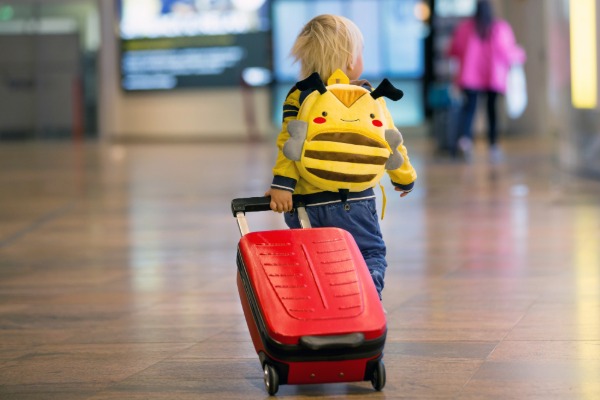

Many individuals believe family travel will be more difficult after having their first child; usually, when they fly they experience a lot of stress from the flight itself, things falling apart because of how our children plan to do things differently than we do, and how our plans for a relaxing vacation become very difficult if not impossible. However, according to newer parents, they typically find family travel to be a vehicle through which they can continue their adventures, but at an even greater rate and to far.
It’s not that their ability to travel has changed; it’s the way they perceive their ability to travel that has changed.
The typical family travel post on many social media platforms provides visually organized photos of smiling children cuddled up next to, or cuddling with, their parents who appear to be rested at the destination of their choice.
The truth is that family vacations do not often go as planned. Delays during flights, drinks spilling during flight, a child throwing a tantrum for no apparent reason or purpose, toys lost or forgotten, and a complete lack of sleep are just some of the possible experiences a family may have while traveling with their children. However, many parents of young children have stated numerous times that by lowering their overall expectations of how a trip will feel when they travel now as a family versus before children, has been beneficial to them and helped provide them with positive experiences because they have been able to create a completely new experience (family travel) versus trying to compare family travel (what could be considered its own adventure) with traveling pre-children.
The two journeys are the same; however, each experience will have a different feel to it. Routines are something that all children enjoy; whether it be habitual routines, favourite food, or familiar surroundings. Most of the time, when families travel they have the ability to experience travel that removes some of those comforts for their children.
This sounds like it could be a challenge at first for children to go back home after they’ve travelled and adapt to their everyday routines again because many parents find their children to be much more adaptable than they were before having travelled and more confident to face a number of other changes. In addition to increasing their adaptability, new places, new situations, and unexpected experiences build resilience in ways that we cannot create at home.
The benefits of travel go beyond increase in adaptability.
Children begin asking about languages, foods, customs, and lifestyles that they may have never heard of before during their travels and develop an inquisitive mind about those things. Children often have the opportunity to be exposed to these types of things during a short road trip and these concepts may not just exist in their normal everyday life.
Long after a family has travelled many parents will notice their children show increased curiosity by wanting to learn more, be more willing to try new things, and have greater awareness that their neighbourhood is merely a small part of the vast world.
Camping for a weekend provides many of the lessons found on overseas vacations. By spending the night or weekend away in a different city, exploring a different area, or going on a simple road trip you can help your children develop confidence and the ability to adjust to new experiences.
Small adventures often serve as excellent practice for larger ones. When traveling with children you also experience transforming mundane events into lifelong memories.
Adults are usually in a hurry to see as much of the destination as possible, however, because children are not as interested in visiting everything, rather than rushing from one.
Traveling with kids often leads to unanticipated connections with the local communities.
Children tend not to worry about differences in languages since they are usually able to play on playgrounds, meet new kids, and establish friendships that have been difficult for most.
Family Travel gives children a perspective that they will carry with them for the rest of their lives, children who travel to different parts of the world and see different cultures grow up knowing that how their family lives and what their family does are only a small part of the entire world, and that people have different customs and ways of doing things as well as different languages, but still have the same basic needs, wants and desires.
Make a schedule change, or when someone in your family gets tired, hungry or cranky at the least opportune time; families who travel regularly will typically agree that it is worth all the headaches associated with it.
Long after your child has returned from their family vacation, they will not have each of the monuments and museums they visited while on vacation stored in their memory bank. However, your child’s memories will include some of the great train rides they took, the silly mistakes they made while on vacation, the things that surprised them and the feeling of visiting new and exciting places with the people they care about.
If you are waiting for the perfect moment to take a trip with your child, it could take longer than anticipated to find this moment.
To overcome this roadblock try starting out small. Start with a small road trip, and then make a quick visit to a new city for a few days.
When traveling as a parent, it actually changes your definition of adventure and not take from it. Traveling as a family will also bring you into contact with many new people and cultures, which can create unique opportunities for your children.