
For a long time, Saudi Arabia has come to be known as one of the most obscure destinations for travel for the rest of the world and has gained a reputation of being conservative, strict, and challenging for tourists. As a result of this misunderstanding, travelers often crossed Saudi Arabia off from their travel lists. After traveling to Dammam alone without sponsorship, it became clear to the author of the article that things never appeared as they seem from the outside.
The trip to Dammam was pretty straightforward. Due to the use of technology at the airport, the immigration process did not take much time and the facilities appeared to be neat and spacious. Eateries such as McDonald’s and Subway were really popular there and contributed to creating a good impression on the traveler even before they left the airport. Friendly locals approached him showing range of emotions typical for Saudi nationals.
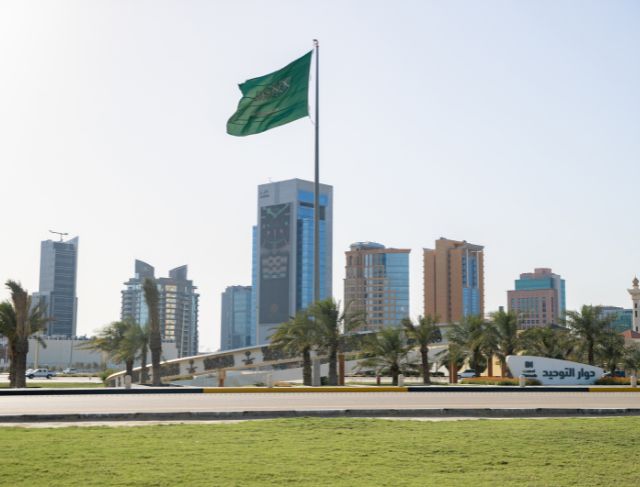
The trip to the city from the airport showed the traveler endless desert and eventually modern buildings. As for the city of Dammam, it is large, clean, and organized with wide roads and not much traffic in the streets. Women could be observed driving cars and everything
Visiting the local market provided insight into the daily lives of residents. Local clothing was prevalent in this part of the world, which made the tourist stand out even more while the local people were more inquisitive than hostile. Conversations with various sellers have opened another aspect of Saudi Arabia—a multicultural society of Bangladeshis, Pakistanis, Indians, Nepalese, Sri Lankans, and some other nationalities.
Visitors were warmly received everywhere, with many people recognizing the traveler from social media. Others stopped to give recommendations and offer help. Their hospitality challenged the stereotype of Saudi Arabia as an unfriendly country and made it evident that kindness is an important trait of this nation.
The visitor was able to experience the country’s combination of traditional and contemporary commerce. Friendly conversations were there in cases of any small interactions in the stores.
It was noticeable of how public areas were being put to use. The streets of the city seemed to be calm during the day as Sunday is an ordinary working day in Saudi Arabia. The shopping malls, however, were busy with families and women who had provided a livelier atmosphere as compared to the traditional market streets.
Later in our journey, we went to the Dammam waterfront and had a surprise awaiting us. There was construction going on at portions of the Corniche, hence making it less lively than we had expected. However, the coastline had beautiful views of the sunset along with a calm ambiance as local fishermen and families continued to spend time in the area.
Dinner brought us to the famous local restaurant, AlBaik, which is a fast-food chain in Saudi Arabia that served crispy fried chicken. The restaurant surely demonstrated the reason behind its popularity among the locals with its price, unique flavor, and good feedback from the residents.
Like any country, Saudi Arabia doesn’t have everything figured out. In some cases, our expectations didn’t match reality—for example, the waterfront construction and the sleepy city center. But they were easily overshadowed by all the positive interactions with local people, modern infrastructure, and conditions safe for tourism.
The most important lesson was not the architecture, the desert, or even the food but rather the fact that the stories told about the country often don’t show the complete picture. Visiting Saudi Arabia allowed us to see that the country is developing fast despite trying to hold on to its roots. Those who are not afraid to challenge their opinion secure a true experience in Dammam full of hospitality, openness, and cultural variety.