
The metropolis of New York is well renowned for continually reconstructing itself. In the last one hundred years, its monuments, areas, transport, styles, cuisine, and homes have changed beyond recognition. However, even with a great amount of modern skyscrapers and bright advertisements, one can still find remnants of its incredible history.
Times Square: From Marketplace to Entertainment Center
Times Square is known now for its huge digital advertisements, theaters of Broadway, and crowds of tourists. However, in the 17th and 18th centuries, this space was less developed and directed to trading horses and mules. The construction of a subway in the late 19th century turned it into the commercial and entertainment region.
Previously, Times Square used light bulbs that were individually installed but nowadays it is the main destination for tourists that shows how a place can change significantly during time.
Grand Central Terminal: A Saved Architectural Gem
The Grand Central Terminal, which opened in 1913, was at its most successful during the 1940s, when an estimated 65 million people passed through the station every year. During those years, sophisticated travelers arrived at the terminal dressed to the nines, soldiers passed through the terminal during war, and information boards were updated manually.
By the 1970s, Grand Central Terminal suffered from decline and was threatened with demolition. The terminal was saved thanks to the efforts of Jacqueline Kennedy Onassis, who led a campaign to save the historical building. Daily, Grand Central Terminal hosts hundreds of thousands of travelers and visitors, with many restaurants, shops, and seasonal markets found in the building.
Coney Island and the Brooklyn Bridge: A Place for Entertainment as well as Engineering
The relatively cheap subway ticket meant that the working class could also visit the beaches and amusement parks. Highlights here were dazzlingly illuminated parks, the Wonder Wheel, and the Cyclone roller coaster, which started operating in 1927.
At the current moment, Coney Island preserves its old-world charm while adapting to modern Brooklyn life. Now, visitors can enjoy old rides, eat Nathan’s Famous hot dogs, and take part in events like the Mermaid Parade.
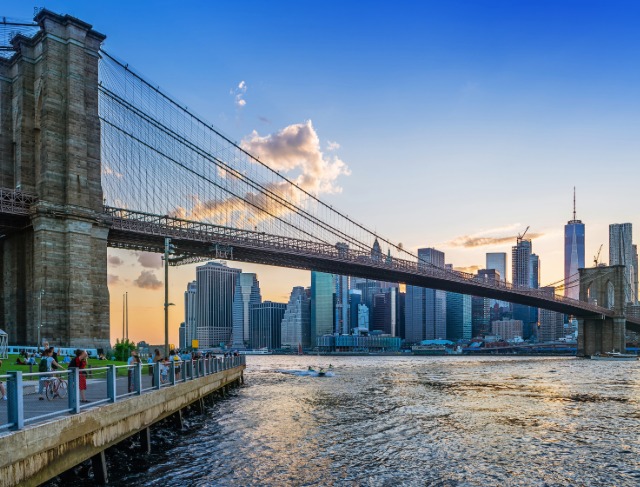
As for the Brooklyn Bridge, which first opened in 1883, it used to be the longest suspension bridge in the world. The construction of the bridge amazed the public, and P. T. Barnum did an unforgettable stunt in 1884, marching 21 elephants across it to prove its strength. Today, the bridge is a means of commuting for people and a place to look at New York high rises.
Skyscrapers: A City Reaching for the SkyAt the start, the skyline of New York was relatively simple, with buildings like Park Row, which was 391ft tall. The skyline today is made of buildings such as One World Trade Center and Hudson Yards.
This is also true for housing prices. Rents in the 1920s could be around $60, while present-day rents in New York can be in the thousands of dollars. The changes in the city have made it possible to be international centers of finance, technology, fashion, and culture.
Everyday Life of New York: Fashion, Transport, FoodPeople in New York used to wear hats and long skirts and more formal clothes when going out. Many of them were employed in garment factories, shipyards, and printing shops.
The subway has been in use since 1904, when it charged passengers a fare of five cents per ride using wooden cars outfitted with some of the time’s most appealing features. Today, New Yorkers can use a number of transportation options available to them, thanks to the advent of technology, smartphone usage, and ride apps, and are therefore able to map any route they need.
Food has also developed. Katz’s Delicatessen, which was founded in 1888, remains one of the most well-known places for pastrami sandwiches. McSorley’s Old Ale House, which was opened in 1854, continues with the spirit of the traditional pub. Dining represents vast opportunities, from cheap street food to luxury tasting menus.
Fashion has also developed. SoHo has changed from a garment production district to a place for design shops and vintage sales.
New York City’s eternal truth is change
New York City shows how change is one of the most important aspects of life from horse trade and wooden subway cars to electronic advertisements and skyscrapers. Undoubtedly, the history of New York represents the story of the place where changes are made every day but historic places are still present.