
Visiting New York City in winter can be a thrilling experience but it is not only a matter of bringing a jacket. As Sarah points out – someone who was born in the city and has been working as a professional tour guide – winter in the city encompasses two seasons: expensive holiday season in December and cheaper, calmer January-February.
Here are 20 mistakes people do when traveling to New York in winter.
Packing Problems
One of the biggest mistakes people can make is checking outside temperature without taking into account wind chill factor. The broad streets of New York can, at times, act as wind tunnels that increase the severity of cold weather. Travelers should check “feels like” temperature before heading to places with little wind protection such as Hudson Yards.
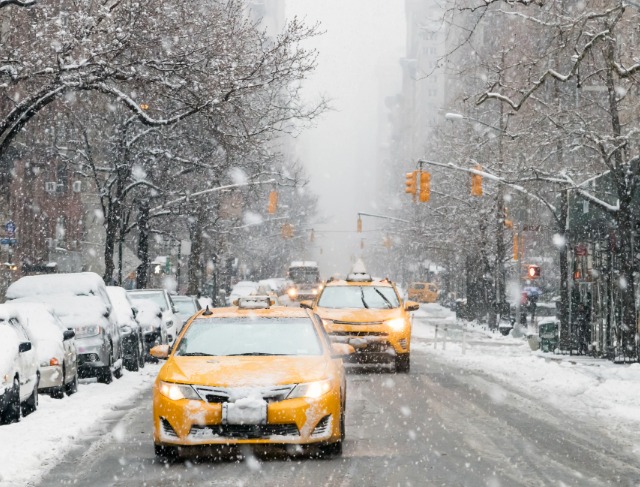
Wearing the wrong kind of shoes is another mistake. Snow turns into dirty slush pretty quickly and regular sneakers won’t be enough to keep you dry. It’s better to wear waterproof high top boots.
Also, visitors should get ready to a big difference in temperature between outdoors and indoors, hot indoors.
When going to Broadway shows, don’t wear big coats. Some of the older theaters have cramped seating, meaning that a lighter coat would be more manageable.
Scheduling Events According to Winter Conditions
In December, there isn’t much sunshine. The sunset occurs at about 4:30 p.m., while the sun rises around 7:30 a.m. The ideal time for sightseeing is from about 9:00 a.m. until 3:30 p.m., while all the rest of the indoor activities can be scheduled in the evening.
Darkness should not necessarily be seen as a drawback. The tourists should make a good use of it and enjoy the holiday lights. The light show in Saks Fifth Avenue begins at approximately 5 p.m., while Dyker Heights in Brooklyn is famous for the Christmas light show.
Another thing travelers do not do is prepare an alternative plan if the weather is bad. It is important to check the forecast and schedule outdoor attractions like Central Park and Brooklyn Bridge for warmer days, while the museums, restaurants, and indoor tours will be the best options otherwise.
Rockefeller Center is especially busy at 7 PM in December. Visiting early in the morning or after 10:30 PM to avoid the crowds can be worth the hassle. The area is also going to be heavily restricted on December 1 and 2, 2026, for the Christmas tree lighting event. Accessing from either 49th Street or Six Avenue can help visitors evade some of the crowds.
Visitors shouldn’t take it for granted that everything is open during the holidays. Many attractions close on Christmas Day while seasonal outdoor markets will probably shut down on Christmas Eve. Therefore, checking operating times beforehand is always a good idea.
Watching the New Year’s Eve ball drop in Times Square is another experience that requires commitment. The crowd, security barriers, and restroom access are just a few elements that make the visit far from easy. The guests attending the event must arrive well in advance and stay in the designated areas.
Avoiding Pricey Winter Travel Blunders
The month of December is the most costly in terms of accommodation prices and average hotel rates in New York City, which are around $540 per night compared to $196 in January. Instead, it would be less costly to stay in Long Island City, which is about 10 to 15 minutes away from Midtown via train.
The ice rink at Rockefeller Center can be costly. Reports say that the prices can reach up to $124 for a skating session, not including the skate rental fees and other extra fees. In contrast, Bryant Park is a better option that offers free skating and paid skate rentals.
People should try to get their tickets to see the Rockettes and other holiday attractions from reliable websites rather than from overpriced resale sites. One should be cautious and avoid the private sellers who are offering a unique experience of viewing the Christmas tree.
Another trap for tourists is the pedicabs. Their prices can vary from $10-25 a minute, and at times, the bills of the customers can reach $1000 in total. Walking is a much safer and cheaper option.
People with flexible travel plans will be able to save a lot of money by taking advantage.
Here’s why January and February may be a better time to visit.
Winter in New York is more than Christmas lights and other decorations. In January and February, tourists can enjoy all kinds of cozy dining options, including ramen, pho, soup dumplings, and historic bars, as well as heated outdoor spaces such as Bryant Park’s winter lodge.
Furthermore, there is a chance of a snowstorm sweeping through Central Park, which looks like something straight out of a winter movie. The best part is that adventurers can enjoy the snowy scenery without December crowds and hotel rates.
Still, travelers have to take into account that December and January-February are completely different stories. While December is all about festivities, January and February are relatively calm.
The only real risk is bad weather. In other words, a storm, especially a nor’easter, can make things complicated. Thus, visitors are recommended to book hotels that can be canceled free of charge and to book flexible tickets.
Visiting New York in winter can be a wonderful experience when tourists are prepared for cold, shorter days, and understand that everything is different during the holiday season and winter months.