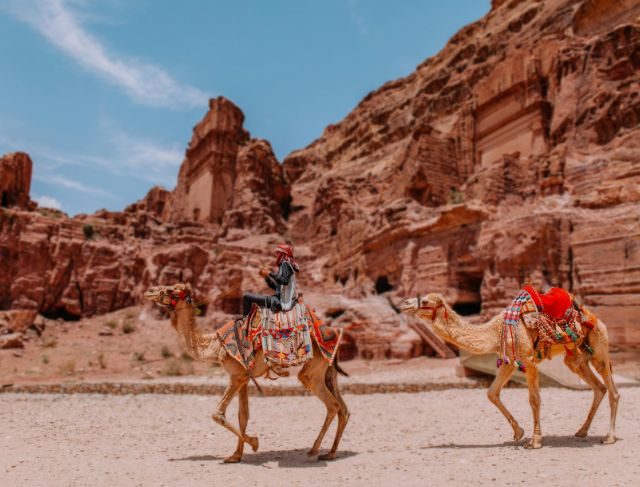

Jordan can be described as having both an extremely ancient past to it and also an extremely current aspect to it. You can be floating in the Dead Sea surrounded by luxurious resorts one moment and then be standing in the silence of a canyon — a place where various civilizations once traded goods long before houses ever existed — just a few hours later. This is one of those places where history is never really out of reach. The main highways still follow the same routes that merchants and armies used to take centuries prior to the creation of vehicles.
The majority of people initially arrive in Amman, and to be honest, this city can provide shockingly different impressions based upon your first view. When you first arrive it appears to be a very full and busy city lined with large amounts of traffic; however, after spending time exploring you will begin to see and feel more about the nature of the location. Amman is built on several hills (or “jabal,” as they say), and each area within the city has its own distinctive identity. Some streets contain modern architecture while others still retain evidence of older civilizations with staircases and stone homes still intact from those earlier times.
The Citadel is a great place from which to see Amman. It is located atop one of the highest hills in Amman and offers an incredible view of the many buildings and hills that make up Amman. Being able to stand on the ancient ruins from both Roman and Islamic empires while listening to the sounds of a bustling modern city below them tells you everything you can expect from Jordan. Jordan continues to blend its rich cultural history with its modern day way of life every day.
While many visitors hurry through Amman because they want to get to Petra or Wadi Rum, this is a huge mistake! The food is reason enough for you to spend time in Amman. There are small restaurants serving fresh hummus, grilled meats, warm bread, and sweet tea everywhere you go. The scent of falafel and spices fills the air from the corner of every street from the time the sun rises until it sets. Sitting in a local café watching people walk by is also part of the experience.
Aqaba is located far south of the city of Amman. Unlike your typical Jordanian city which moves a lot faster than other parts of the country, Aqaba’s atmosphere is much slower and warmer than Amman’s. The crystalline waters of the Red Sea provide excellent sites for diving and snorkeling. With coral reefs, brightly coloured fish, shipwrecks, and other types of marine life it is an excellent location for tourists to visit. However, for those people who don’t want to scuba dive, there are many boat trips that leave from Aqaba along the shoreline.
Aqaba also has an abundant selection of fresh seafood available year-round. Each day there are fresh fish brought in from the sea, and the local favourite dish is Sayadieh, which consists of rice, fish, and various spices cooked together in one pot. Eating grilled seafood at one of the many restaurants located by the water’s edge and watching the mountains glow at sunset is definitely much different from seeing the desert landscape for which Jordan is famous.
The Dead Sea is one of the strangest places you will ever go (in a good way). When you get in, it doesn’t feel natural to float right away as the water forces you up to the surface. There is no swimming here – you just lay on top of the water, which is possible due to the extremely high salt content. The mud along the shoreline contains a very high concentration of minerals, and has long been used for beauty and therapeutic purposes.
The geography of Jordan is just as interesting as the history of Jordan is. You can go from the lush green hills of Amman to the vast desert valleys within a matter of hours. One of the best examples of this is Petra, which is located hidden within the sandstone mountains. Even after seeing so many pictures of it online, it is incredibly hard to believe that it is real and not just a figment of our imaginations.
Just as much as getting to Petra is a once-in-a-lifetime experience, going through the Siq to arrive at the Petra Treasury might be one of the most spectacular ways to enter historic sites in all of history. As you enter the city, it is exciting to come to the end of the canyon only to have the Treasury appear in front of you as you step out of the Siq. The sandstone is incredibly beautiful as its color changes due to sunlight hitting the rock face, giving it the appearance of orange, red, and gold throughout the day.
While Petra may be smaller than expected when visited, it is still very much larger then most people think. The Treasury is merely the beginning of Petra. There are many temples in the vicinity of the Treasury, tombs, stairways, caves and long paths all of which have been cut out of the rock. Some places are very crowded with tourists and others become eerily quiet as you venture further into the city.
The Monastery is an exemplary point, as once you finally ascend the steep walking path leading there and reach the Monastery itself, you are rewarded, not only with a spectacular view, but with the extreme stillness of the area providing a feeling of being in a time capsule.
At night Petra transforms again. The canyons and Treasury are lit by candle light only which creates a very peaceful feeling instead of the hustle and bustle of the daytime crowds. The glowing colours of the sandstone, combined with the desert surrounding, make it feel almost as if you have stepped into a movie.
Just south of Petra is Wadi Rum, or the Valley of the Moon. Upon entering Wadi Rum, you can truly see the reason behind the name. The enormous rock formations rise up from the desert floor and the endless expanse of sand extends out past what you can see, definitely giving an appearance of being on another planet; thus explaining how many films have been produced in Wadi Rum.
A lot of people think Wadi Rum is simply a place to enjoy amazing views, but Wadi Rum has been home to Bedouin communities for generations who live in the harsh environment through hidden water sources, desert plants, and knowledge about how to make a living off of this land. By spending time with the local guides, guests are provided an in-depth view of how people survived this unbearable territory long before modern tourism exists.
For those wishing to experience the desert in different ways some use jeep tours, others ride camels over sand dunes, and some lucky adventurous spirits sleep beneath the stars in desert camps. To have such an experience is special and truly memorably because of the absence of light pollution there allows you to see an extraordinary amount of stars.
Jordan’s roots seem to run deeper than surrounding nations which suffer due to their long and complicated histories. At the crossroads of three continents (Asia/Africa/Europe), Jordan has historically served as an intersection or meeting-point; therefore serving many roles throughout history as it relates to culture/religion and trade route ancestry. This rich blending of cultures/religions is evident everywhere (architecture, food, language, etc.).
People remember Jordan for its legendary sites, but also for the environment surrounding those sites. People are warm, welcoming, and conversational when you visit with them, whether it’s a long chat or a brief exchange. Most travelers come to Jordan thinking they will see ruins or desert scenes, but most leave saying they met as many people as they did sites.
Jordan appears small when viewed on a map, but does not feel small once you visit it. The roadways always seem to connect to historical locations or sites, every scenery is unique, and each location has an entirely different story.