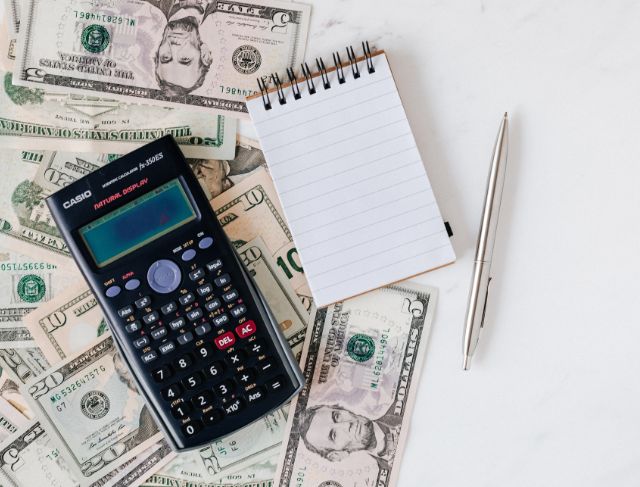

As uncertainty clouds the globe and paychecks are not guaranteed, reducing your expenses is no longer a smart decision but a survival strategy. When the economy is good, trimming excess expenditure is an important habit to cultivate, but when times are tough, it becomes essential.
Now let’s discuss things that won’t necessarily cost you a dime but will help you maintain a good cash flow, such as reducing your rent or mortgage payment. This is the greatest source of monthly income for most people. You probably think that reducing your rent or mortgage payment is difficult or even impossible, but you may be surprised at what you can do.
If you’re renting your home, contact your landlord to discuss the following options: temporary price reduction, deferring rent payment or arranging terms of payment with your landlord. Before making any of these requests, find out if your landlord is willing to negotiate.
If you own your home and are having a difficult financial situation, call your lender or bank. Most lenders and banks are more inclined to assist borrowers than they were previously. Also, you may be able to negotiate with your credit card issuer; for example, if you are having trouble making your monthly payment, contact your credit card issuer to ask about lowering the interest rate on your account. All of these actions will create a significant reduction in your current cash flow.
If you drive less than before, then you should call your car insurance company; you may qualify for lower premium rates based on reduced mileage, but savings are not automatic unless requested.
Examine your bank statements to see how much money has gone “missing” each month in one or more of the following types of charges: streaming media services (Netflix, Hulu, Disney+); subscription box services; software subscriptions; fitness apps; various membership fees you forgot you had.
For example, if you subscribe to two streaming services but only use one, cancel the second service; if you subscribe to box delivery service and have not opened the last few boxes, suspend your subscription; and if you are working from home and using your razor less frequently than normal, you can afford to defer replacement blades for a month or two.
By themselves, none of the above actions may seem like big life changes. However, together the lack of savings becomes apparent through the amount of change accumulated over time.
Grocery shopping habits can also be expensive when you consider the factors of brand loyalty and normal grocery pricing. Many items sold under a store’s brand name are just as good as the name brands, and the price difference can be significant. Consider making substitutions with certain grocery staples, such as pasta, canned goods, cereal, and cleaning supplies, and with time will help you build an economy.
In addition to grocery shopping, small changes, such as buying a less expensive bottle of wine or purchasing less expensive cuts of meat can lead to cumulative savings each month. It may sound contradictory, but making such changes does not mean that you have to give up something; it means that you have to make temporary adjustments.
Yes, supporting local eateries is commendable, but if you have less to work with financially, your focus must be on financial stability.
Eating out on multiple occasions a week can quickly add up, particularly with additional costs due to delivery and gratuities. If you are working from home or have reduced hours of employment, you likely have more time. Therefore, it is a good idea to use that time to plan your meals, prepare ingredients, and cook in bulk.
Besides saving money by eating at home, cooking at home also gives you control — and control is an asset in uncertain times.
When looking at ways to reduce your spending, most people will begin by reducing their smaller, regular expenses as they know these will be easier to cut back on than trying to eliminate waste by not eating out. However, larger recurring expenses as well as habits that drain money on a regular basis will have the most impact if you start with these.
Being strategic is important.
Where is the most significant “drain” on your finances?
What are you paying for that adds no value for you?
What can you eliminate or reduce your spending on without negatively affecting your quality of life?
Make sure you answer those questions in an honest manner and then act.
With the economy slowing, a large portion of the population will experience some financial constraints. People will find their income decreasing, hours will be reduced, and unexpected expenses will arise from nowhere.
However, when it comes to your expenses, you still have some level of control over your spending.
While you don’t manage global market fluctuations, you can’t dictate the actions of your employer… but ultimately you have sovereignty over how you spend your dollars.
Control over your spending translates into security.
To help you out I’ve created a simple plan of action
1) Focus on cutting your top 3 expenses.
2) Cancel or suspend any non essential subscriptions/purchases.
3) Cook at home much more often than you order takeout.
This is not glamorous advice, and likely won’t go viral on social media, yet it’s effective. In times of uncertainty, securing yourself through resiliency outweighs glamor.
Every dollar that you choose not to spend on items that aren’t essential will provide you with more time/options/peace of mind. Be intentional with your decisions, and also make sure to stay safe.