
Qatar seems like a nation made for individuals seeking to do everything quickly and in a very short timeframe. In one instant, you’re between the futuristic buildings rising by the Persian Gulf, and less than an hour later, you’re being shuttled across the desert dunes inside an SUV and having sand rush onto the windows of that vehicle! It has the ability to be modern and compact and still be able to produce an entirely different, incredibly interesting and surprise once again when your perception of Qatar has come from either football highlights or jet setting on an airplane.
The interesting thing about Qatari society is that as a citizen of the State of Qatar, many locals will use the word “Doha” to refer to Qatar as a whole. Since the country is relatively small, Doha is the focal point for any functions or activities related to day-to-day living, tourism, business and culture in Qatar. By far the majority of visitors come into Qatar through Hamad International Airport and then they have the introduction to the country through Doha. Once you begin to move outwards from Doha further into Qatar, you’ll find that it has much more than just the Doha skyline.
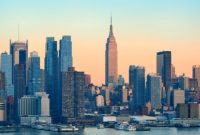
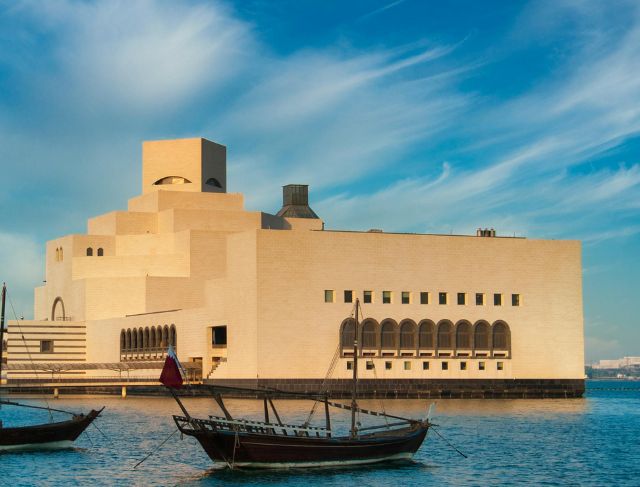
The Corniche is one of the first places that many visitors to Doha become enamored with. The Corniche runs along the waterfront with breathtaking views of Doha’s skyline as it rises next to the Arabian Gulf. During the daytime, the water reflects the towers in a massive mirror, and at night the coastline glows with the lights. If you go one way along the Corniche, you will arrive at a very modern financial district; the opposite direction, you will discover yourself in the midst of old souks and museums housed within historic architecture.
One of the most evident examples of the blend between primitive and contemporary is at Souq Waqif. Every hour of the day, the souk has a vibrant buzz and atmosphere. The alleyways twist and turn between merchants displaying spices, perfumes, restaurants, and cafés, as well as other wares, including bolts of fabric and falcons. Although the souk has undergone significant renovations in the past, the spirit of commerce and the continuing evolution of the atmosphere of the souk are reflected in its name (i.e., souq means marketplace), which refers to the historical manner in which merchants would remain standing while selling their goods.
An opposite experience can be seen where clean pedestrian streets, modern, environmentally-friendly architecture, luxury boutiques and fashionable cafés dominate Msheireb Downtown.
In addition, many of the futuristic neighborhoods throughout Qatar were not built randomly. Most of the new neighborhoods were built with a purpose such as encouraging walking, the use of public transportation, and using energy-efficient building materials. One can feel the blend of tradition and the future throughout Doha.
As one travels north from downtown, the character of Doha changes completely. West Bay is characterized by tall skyscrapers and luxurious hotels, while Katara Cultural Village is a place focused around the arts with a variety of museums, exhibits and public areas. The architecture at Katara incorporates several design styles from both the Middle East and Mediterranean.
A little further north is The Pearl, which almost looks like a floating luxury city built entirely on reclaimed land, filled with expensive apartments, marinas, cafés and waterfront promenades. This is an area in which one can see people walking casually, sports cars parked next to yachts.
There are so many great things to do and see in Qatar, but you must leave Doha to experience many of the great things that Qatar has to offer.
When traveling north toward Al Zubarah, it is difficult to think that you are in quite the same country because of how completely different the landscape is. Instead of glass buildings, there are ancient ruins, archaeological sites, abandoned villages and old forts—the largest of which is probably Al Zubarah Fort—each contributing to Qatar’s unique history. Long before oil and skyscrapers changed the face of Qatar, this beautiful coastline had been an area of great prosperity, primarily because it was home to a thriving pearl diving and trade industry. For centuries, pearls from the Arabian Sea were tremendously valuable, and many communities relied upon the pearl diving industry for their very livelihoods. Today, walking through the fort, will take you back in time to a lost chapter of the history of the Gulf.
For centuries, pearl diving has played an important role in developing Qatar as we know it today. Pearl divers perform physically demanding work through the day, diving to the bottom of the sea looking for oysters in hopes of finding a pearl that will allow their family to survive. Prior to the discovery of oil, the pearl industry served as the foundation of every local economy in the Gulf region. Thus, the modern state we now know as Qatar has its origins in fishing boats and pearl traders- extraordinary!
The mangrove forests located in Al Khor are arguably one of the most unexpected sights for people visiting Qatar for the first time. Which many visitors assumed would be a country of flat endless desert landscape was actually filled with peaceful, green waterways bordered by mangrove trees. Mangrove forests are invaluable to the environment; They absorb vast amounts of carbon dioxide, while also protecting coastlines from erosion; A true contrast to the energy of the city of Doha.
Southern Qatar is even more impressive! The gigantic sand dunes drop right into the water along the Inland Sea, providing some of the most unique natural landscapes in the area. Dune bashing (effectively totally losing control of your vehicle) is taken to the next level in southern Qatar; SUV drivers fly over the large sand dunes and the passengers inside scream with the rush; Chaotic in the best way! Visitors can also enjoy riding camels, riding quad bikes or watching falconry exhibitions, allowing them to feel connected to the desert culture that has existed for future generations.
When you’re visiting Qatar, getting around can be easy due to their transportation system. The Doha Metro stands out from other cities due to how modern it is but will likely seem odd given its vast amount of technology. Their stations are very aesthetically pleasing and have clean trains that connect many of the city’s major landmarks, with the Red Line running through beaches and coastlines; the Green Line connecting education to residential areas; and the Gold Line connecting many of Doha’s historical sites or museums.
The Gold Club on the metro offers what feels like “business class” for public transport because of their larger seats, quieter compartments, and premium experience offered. However, even the normal prices are very economical; therefore, those using the metro to travel about Qatar will enjoy a very long and enjoyable ride without needing to rent a car.
Luxury or large projects do not make Qatar appealing. It is the stark contrast between the older and historical fortresses or souks and the new modern high rises in the City. The desert landscape and new super metro stations exist virtually side by side. The pace of development is fast in Qatar; however, there will still be a very visible portion of their historical identity to see during your visit.
Qatar is an extremely addictive destination for any traveller who is searching for a modern, safe, simple-to-navigate and diverse destination in a small space in the Middle East to visit. When you arrive in Qatar you think that you’ll be there just while waiting for your connecting flight. You will be blown away by how much time you really needed to spend there!