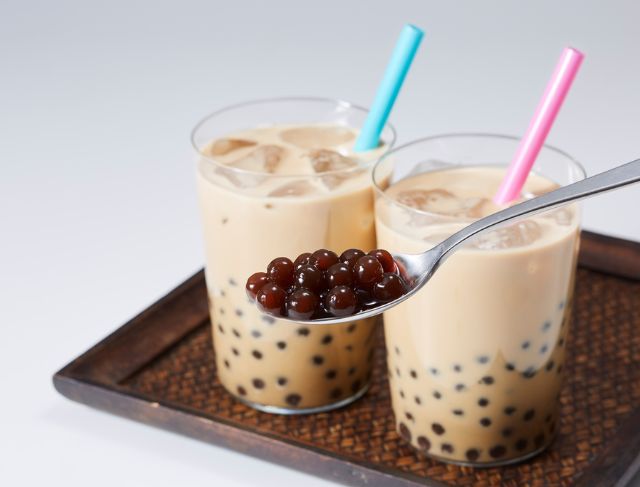

At first glance, bubble tea appears very straightforward—a plastic cup, a large straw, and some chewy black balls sitting at the bottom of the cup, perhaps with an excessive amount of added sugar as well. However, once you start learning more about the tea culture of Taiwan, you begin to realize that bubble tea is more than just a drink, but rather an entire galaxy in and of itself.
There are countless combinations, textures, secret menu hacks, and flavor experiments occurring all across the island every day.
Taiwan didn’t create a beverage; it created a global phenomenon by accident.
Today, bubble tea can be seen almost everywhere—big cities, small towns, shopping malls, airports, and even random side streets located next to a gym or a laundromat.
If a neighbourhood has any coffee shops, then there is a high probability that there will also be at least one bubble tea shop nearby. Despite this fact, many people continue to feel confused by bubble tea. The menus can appear to be haphazardly arranged; the ingredients frequently seem outlandish; and ordering can resemble taking a final exam of sorts with respect to what percentage of sweetness is preferred to which topping combination.
The interesting thing is that the bubble tea culture of Taiwan is something that many locals would consider to be everyday and routine, much the same way that people in other countries would go grab coffee.
Bubble tea is now a staple in Taiwan: students carry it everywhere they go after class; employees get their fix during lunch hour; and scooter riders seem to be able to manage the challenge of carrying large volumes of this drink while negotiating through traffic. etc.
The explosion of bubble tea in Taiwan was largely due to the fact that tea had a long history there prior to the first tapioca pearl being added to the beverage.
Because of the cooler air at higher elevations, the teas produced from these areas typically have a more intense flavor.
Tea production has played a major role in the economy and culture of Taiwan for many years. The growth of tea production in Taiwan greatly expanded during the Qing Dynasty.
Long before there were popular franchise or chain stores selling bubble tea, most neighborhoods were filled with traditional tea houses throughout Taiwan.
Despite the long-standing tradition of serving tea and the formal way in which tea was served in tea houses, bubble tea did not evolve from the formal ritual of serving tea but rather represents Taiwan’s adaptation to convenience through modern means.
As takeaway beverages grew in popularity, tea houses began to explore various ways to serve their customers. Instead of just serving high-quality teas in tranquil tea houses, tea shops began creating large, highly customizable drinks designed for a busy urban lifestyle. In their quest for something new and better, shops produced some wonderfully creative drinks!
Today, bubble tea menus are absolute chaos but in a very good way!
To start off, when you are creating your drink, you will need to choose a tea base; there are a huge number of options! The most well-known type of tea base is probably Taiwanese oolong tea. Oolong tea belongs in the middle between green and black tea on the “roast scale” of coffee. Partially fermented, oolong tea has a stronger taste than green tea but less so than black tea.
In addition to oolong tea, there are many other options such as jasmine green, roasted black, winter melon, pu-erh, and a variety of herbal teas.
Once the base tea has been selected, the next category may be the hardest to describe, “the other stuff.”
Milk tea is very popular, but tea shops also create combinations of tea with fruit juices, yogurt drinks, taro powder, fresh fruit, honey, and brown sugar syrup. Brown sugar drinks have become super popular because they have a warm, caramel-like flavour and the strong, rich flavour of molasses. Certain drinks can almost taste more like dessert than tea.
Taro is a popular drink made with taro root. Taro is like any other root vegetable, and so on first impression it will be hard to tell it apart from other sweet, creamy, nutty-flavored drinks when drinking it plain after having never tried it before. Once you’ve tried taro once, you’ll never want to stop drinking the taro drink, and you’ll crave the taste of taro every week.
There’s a lot more to bubble tea than its unique taste; When you sip a bubble tea, you’ll find the texture is one of the major differences between bubble tea and other drinks. The unique experience Taiwanese food culture has with the textures of food also helps to explain why bubble tea feels just different enough compared to its taste that it doesn’t taste anything like any other type of beverage.
This is where tapioca pearls come in.
A common ingredient found in many different types of bubble teas, the black tapioca pearls found in bubble tea come from cassava. After being boiled and cooked in sugar, they turn into chewy, soft and sticky balls, and in Taiwanese culture, we have a specific word that describes this texture: “QQ”. To be honest, I’m not entirely sure how to accurately describe QQ in English. I would say it’s a combination of what it feels like to chew, bounce and push/hold an object using your hand to keep it there while you’re chewing on it.
And that’s just the beginning of everything that’s included in bubble tea.
You can find a variety of items (fruit jelly/agar jelly, chia seeds, coconut jelly, pudding, red/golden beans, mung beans, etc.) floating inside your delicious bubble tea, and while many of them may sound a little strange at first, it turns out they work unbelievably well in combination with sweet tea.
In Taiwanese desserts, unusual ingredients are often combined. For instance, sweet items like beans are used in desserts where people would not normally expect to find them. The two flavors actually work together when you stop overthinking it.
Bubble tea has taken this a step further.
Enter the cheese foam.
That’s right. Cheese.
One of the most deliciously surprising toppings available for bubble tea is salted cream cheese foam that has been added on top of your cold tea. This combination sounds strange until you taste it. The creaminess and saltiness of the foam balance out the sweetness of the tea and create a unique cheesecake-like flavor from a drink; it’s surprising how quickly you become hooked!
Some shops have taken this effect even further by adding things like crushed cookies, ice cream, whipped cream, and/or entire desserts to your drink. Ordering bubble tea in Taiwan is often more like watching a food experiment happen before your eyes rather than ordering a drink.
What really sets bubble tea apart in Taiwan is the fact that all the shops are everywhere, but there are still so many variations from one shop to another. For example, you will find some shops that specialize in using very high-quality tea leaves and very little sugar; others create huge colorful drinks with lots of toppings; some shops are small street vendors with a handwritten menu, while some are futuristic/high-tech stores.
Even the act of drinking bubble tea has its own learning curve.
Everybody eventually experiences the classic disaster: stabbing the sealed plastic lid too gently and splashing tea everywhere. The trick is confidence. Hesitation usually ends badly for both the drink and your shirt.
Beyond the drinks themselves, bubble tea says a lot about modern Taiwan. It represents tradition mixing with innovation. Ancient tea culture collided with fast-moving urban life, creativity, and global trends. The result became one of Taiwan’s most famous cultural exports.
And honestly, bubble tea feels a lot like Taipei itself. Loud, layered, slightly chaotic, endlessly customizable, and way more complicated than people first assume.
Once you start understanding bubble tea, you also start understanding Taiwan a little better.