
Among the many countries that offer great cultures in foods, there is one country within the Caribbean Islands that should receive a lot more attention than it does right now; this is Puerto Rico. Puerto Rican cuisine is filled with some of the best and most flavourful meals you could ever have, yet discussions about food typically revolve around the cuisines from places like Mexico, Italy, and the American South, Puerto Rico’s food has been in the background waiting for its time to shine!
Puerto Rico’s excellent food does not come to you in the form of a fancy dish, nor does it come to you with trendy ingredients, but rather, it comes to you as a result of generations of tradition, bold seasoning, and an incredible gift for taking simple ingredients and turning them into amazing comfort food!
One thing that people who visit Puerto Rico quickly notice about Puerto Rican meals is that they are designed to hit the spot! Gone are the small portions and decorative ways of putting food on a plate. Puerto Rican cuisine embraces big hearty flavours that will fill your stomach and make you very happy!
Another thing you will notice is how most meals have three main components: rice, meat, and plantains. The simplicity of the three items may lead you to the thought that all Puerto Rican meals will taste the same, but due to the different types of rice used, the ways in which meats are seasoned and cooked, and the many different ways plantains can be used, the combination of these ingredients makes Puerto Rican food exceptional!
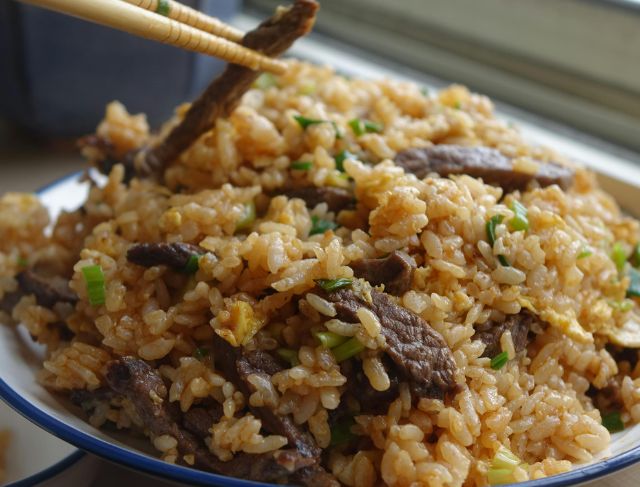
Rice is an important part of Puerto Rican culture and food; at almost every Puerto Rican/table there is rice. Most Puerto Rican homes believe that without rice, there is no meal! In many cuisines, rice is served as a side; however in Puerto Rico, most of the time, rice is the basis of the entire meal!
Arroz con gandules is one of the favorite rice dishes of Puerto Rican cuisine, and while it can be made at any time of year, it becomes an additional reason to celebrate during the holidays! The addition of herbs, spices, vegetables, and aromatics elevate what would otherwise be a simple rice dish to something hearty and very satisfying.
In many of the Puerto Rican recipes, a base that provides flavor is called sofrito, which is truly the heart of the island’s culinary culture. Most home cooks make a batch of sofrito and keep it on hand for use as soon as they begin cooking.
Sofrito is made up of fresh herbs, garlic, onions, peppers, and a variety of other aromatic ingredients that combine to create a vivid mixture that acts as a foundation for so many Puerto Rican dishes. The fresh and savoury qualities of the sofrito also contribute to the distinctive flavour found in Puerto Rican food.
The seasoning style of the island’s cooking is also noteworthy and focuses on creating layers and balance rather than just creating heat from chilli. The adobo seasoning blend is one of the most widely used blends of seasoning throughout the island.
Typically, marinating meats prior to cooking will enhance the flavor, and pork and beef continue to remain the most commonly used meats, yielding flavorful and tender results.
No discussion of Puerto Rican cuisine is complete without mentioning the plantain.
There are many different varieties of plantains; they can be found throughout the entire island, and the flavor and texture depend on the ripeness as well as preparation methods.
Green plantains, also known as tostones, are commonly prepared by frying the green plantains once, then mashing them and frying them a second time. Tostones have a crispy exterior that works well with many different types of sauces or dishes.
Fried ripe plantains, called amarillos, are also an important part of Puerto Rican cooking, but they are much sweeter than tostones and complement many savory meats and rice dishes. The sweetness of amarillos is heightened by the caramelized browning that takes place during frying and makes them a very popular side dish.
However, for most visitors, the dish that creates the greatest long-term appreciation for plantains is mofongo.
Mofongo is one of Puerto Rican culinary legends and is made from fried mashed plantains that are flavored and molded into a mound. It can be served on its own or combined with either meat or seafood, by providing a flavorful, rich and hearty addition to what makes Puerto Rican cooking creative.
A popular local dish known as piñón is often considered a Caribbean-style lasagna and instead of pasta, it uses sweet plantains to give it structure. The sweet-savory combination can catch most first-time diners off guard.
Puerto Rico is also known for its street food culture and throughout the island, roadside food stalls and local dives have been feeding locals for generations.
An example of this is empanadillas, which are crispy, flakey turnovers with a large variety of fillings. They make an excellent snack and can be eaten with your hands.
Another good example of Puerto Rican street food is bacalaitos. These are thin, crunchy codfish fritters that can be found primarily along the coast and are considered to be very tasty.
Sorullos (fried cornmeal sticks) are tasty when dipped in sauce, making them a perfect complement to other Puerto Rican Snacks.
Puerto Rico’s food provides an example of how to balance comfort and flavor; the flavors make the food feel like home, while the comfort makes it familiar.
Family traditions are also significant in Puerto Rican cuisine. Recipes have often been passed down through generations and many of the authentic Puerto Rican Dishes are often associated with holidays, family traditions and gatherings around the table.
Exploring Puerto Rican cuisine is a great way for travellers to connect with Puerto Rico. Each dish tells a story about the island’s culture, its history and how Puerto Ricans have kept those traditions alive.
The next time you see a Puerto Rican Restaurant consider skipping the traditional items and trying something new. Order mofongo, arroz con gandules, empanadillas and plantains.
You may find that one of the most underappreciated food cultures in America has been lurking right in front of you.