
Isn’t it crazy to think that one of New York City’s most energetic neighbourhoods was once a literal lake? This is not metaphorically speaking but an actual body of water where people now drink tea, play chess and argue about the game of cards at the park. Although Chinatown today seems so closely knit together and so alive with energy, it is built on land whose history goes way beyond what people really think of it as meaning.
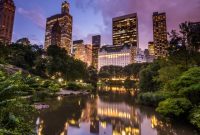
Collect Pond was once the name given to this location before the introduction of street vendors and neon lights.
Collect Pond served as Manhattan’s main source of fresh water but that was before the factory pollution began to destroy it. When that happened, rather than simply correcting the problem with the water they filled in the lake. This decision was one that didn’t hold up over time because the land ultimately had no stability due to a swampy build up of sediment in the area.
Because of this dampness buildings began to settle, mosquitoes began to take up residence and the wealthy who could get out, did leave the area.
Many immigrants came into the area because it had affordable housing, but they were faced with overcrowding, no sanitation services, and little assistance from the City of New York. The area became one of the most densely populated and poorly maintained neighborhoods in New York City. As disease spread quickly, crime rates increased, and the neighborhood became infamous for decades.
Five Points was the most notorious neighborhood. Imagine a busy intersection where gangs would fight each other, politicians would be corrupt, and everybody would fight to live each day. It was a very tough neighborhood; in fact, it was one of the most dangerous neighborhoods in the United States. However, at the same time, it was a melting pot of cultures that had come together in this rough area and created something new because of the pressures they experienced.
To make this area even weirder, the City of New York put a prison in the middle of the neighborhood. The prison, known as “The Tombs,” was built on the same swampy ground as the rest of the area and literally sank into the ground like all the other buildings in the Five Points neighborhood. The prison was in deplorable condition and made life even harder for the people who lived outside of it.
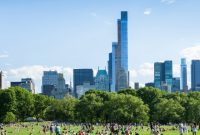
The city finally took action- but not by addressing all issues. Instead, the city cleared large portions of the area then installed park areas instead. An example of this is Columbus park. Columbus Park is now located where some of the most dire conditions, prior to the city getting involved. Today Columbus park is calm, grassy, and filled with life. So, when one sees how beautiful Columbus Park is today, they can’t help but think about the horrible things that once went on in that location.
The first wave of Chinese immigrants to come to New York started in/about the mid-1800s. Many of these immigrants were discriminated against in other parts of the United States, so they came to live in New York City. Many discriminatory laws were passed making it extremely difficult for the Chinese to succeed, such as The Chinese Exclusion Act of 1882. The many laws created an environment where the Chinese were forced to depend on one another for protection and would have very limited opportunities to succeed. In time, the Chinese immigrants would settle into the same neighborhood where many left from.
Initially, the arrival of the Chinese immigrants to the neighborhood was not without its challenges. The tension, gang activity, and racial discrimination that existed were still significant issues within the same Chinese neighborhood. There were areas, like Doyers Street, that were given nicknames due to the level of violent confrontations occurring. Overall, the Chinese were able to endure through these issues and eventually adapt to their new environment and create a much stronger community over time.
The 1960’s immigration reform laws ended racially based quotas that had previously restricted various non-European immigrants. The new laws allowed larger numbers of Chinese immigrants to enter the US and reunite with their families and have a more permanent life in America. The result was the evolution of today’s Chinatown.
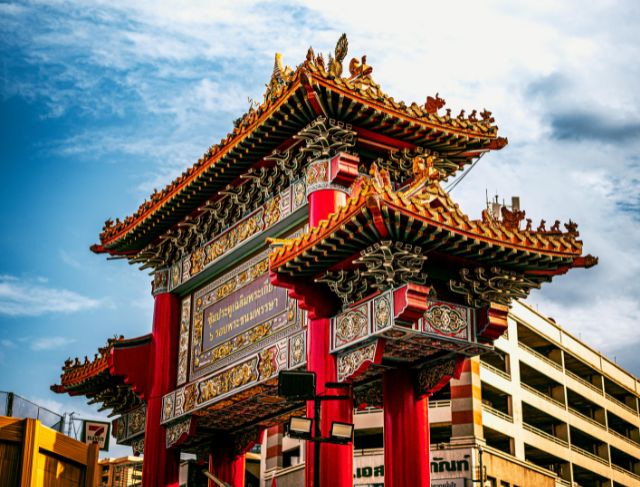
Today’s Chinatown is a completely different environment: – bustling streets lined with food vendors, multi-language signs, independent retailers, and multi-generational families live near each other. It’s not just a tourist attraction; it’s a vibrant and active community with an extensive and diverse historical account built into each block.
What makes Chinatown extraordinary is more than just the incredible food and energy of the community—it is how this entire area has undergone transformation. From clean and plentiful natural waterfront to muddy, contaminated swamp followed by a neglectful and abandoned slum and later becoming the new cultural center for Chinese Americans is how this transformation took place. Each of these stages has left behind its own unique imprint, yet they are all interrelated.
Next time someone thinks Stanton’s Chinatown is all about dumpling-ware and souvenirs, tell them about the bigger story that exists directly below them!