
Traveling internationally can appear to be very easy and hassle-free in most of the online material promoting it; all one has to do is book their air fare, throw in a few items into a travel-gear bag and off they go to another nation. For millions of people, that may be correct. However, for the vast majority of all those traveling, crossing an international boundary can require additional documentation; an interview for approval; paying fees for a visa; the ability to financially support oneself once you enter a country you are not a citizen of and then waiting several weeks or months for application processing before being advised whether or not you can enter the destination nation.
Like many other aspects of the world, the privilege of being able to travel freely and easily is not distributed equitably throughout the world. Although travel is typically advertised as being available to all, prior to even planning your trip, the strength of your passport will determine how many opportunities you have for travel abroad as well as how many hassles you will experience on your trip prior to arriving at your destination.
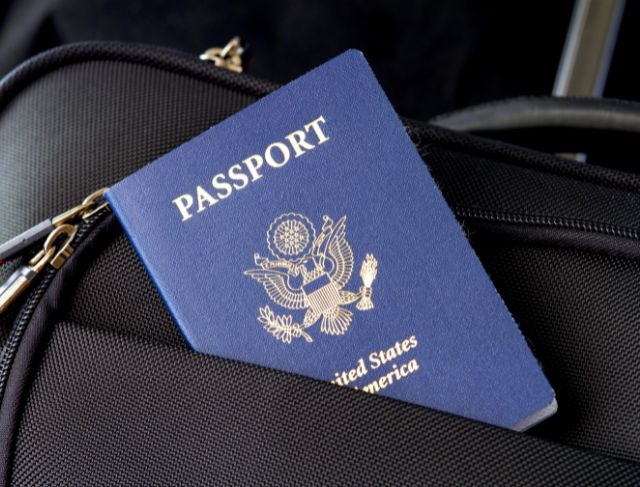
On the contrary, perhaps the most important item you will carry with you on your trip will be the most overlooked part of your luggage; however, the power of a passport is by far, more powerful than anything else that you will carry with you on your trip. A passport will serve as your key to getting access to various locations around the world. Depending on the nation that issues the passport; that key will allow you to access hundreds of locations around the world; or, it may only allow you to access a few locations.
For tourists from developed nations, it is not uncommon to take for granted their ability to obtain visas, as international travel seems routine. Many tourists can easily travel to nearby countries on the spur of the moment, book last-minute vacations or plan vacations involving a number of countries without much preparation beyond purchasing their flight ticket. However, for many individuals who hold weaker passports, the planning of their trip will more closely mirror a job application process rather than the formality associated with planning a vacation.
When applying for a visa, an applicant may be required to provide documentation (e.g, bank statements, verification of employment, hotel reservations, itinerary for travel, invitation letters) in addition to potentially attending an interview, which is often done in person. In addition to requiring extensive documentation, visa applicants must also pay a fee associated with the application process, which in some cases will not be refunded if the application is rejected. As a result, prior to even receiving approval for a visa, individuals often experience a tremendous amount of financial and emotional stress due to the application process.
Individuals who have weak passports experience this difference on a regular basis and the difference in a passport’s ability to allow the holder access to various countries/regions is frequently referred to as passport rankings. The criteria used in establishing these rankings vary from one agency to another, but the rankings are generally based on the number of countries to which the passport holder has access, i.e., can enter without having to obtain a visa prior to travel. Some passports will allow their holder access to greater than 100 countries, while others will provide their holder access to substantially fewer than 100 countries.
People often don’t recognize how the difference between strong and weak passports leads to unequal amounts of freedom to travel, which is referred to as travel inequity. For many travelers, particularly those coming from countries with highly rated passports, they assume it’s easy for everyone to travel to different countries. However, for many travelers, trying to gain entry into these “easier” countries often requires months of preparation, large financial investments and still no guarantee of success.
Travel inequity is compounded by how travel is portrayed on social media. Many travellers use social media as a platform to showcase how many countries they have visited, rather than how many unique experiences they have earned through their travels. This causes considerable pressure on many travellers when their passports are restrictive to multiple countries and they can only travel to a limited number of destinations.
Simply counting the number of countries visited won’t accurately depict the true value of travel experiences.
While most people think they want to travel from one country to another at lightning speed, some of the best memories of travel actually come from people who slow down their travel pace. By spending a number of weeks exploring only one country, you will gain a much better appreciation of the local culture than if you travelled to five countries in a shorter period of time.
Traveling slow brings more value and less trouble when it comes to traveling. Rather than getting as many passport stamp as possible, you will have plenty of time to learn about the community you are traveling to, experience the local cuisine, learn some of the language, and make real connections with the people you meet on your travels.
In many cases the most memorable part of your experience will not be the famous landmarks, but rather the conversation you had with a local person on the bus, the meal you shared with someone, or the market you discovered because it feels like the community is sharing their culture with you.
In addition to building connections when you leave, you can also create a different experience through building connections before you leave. Using online travel communities, cultural exchange groups, local forums, and/or traveler networks will provide you with insight that the guide book may have missed out on. The people within these communities can provide you with practical suggestions/insight, cultural awareness, and sometimes a friendship that lasts long after your travels have started.
Even if your budget is limited, as many people in developing countries find it to be, it doesn’t mean that you will not be able to travel. Many people are able to stretch their funds through volunteer opportunities, work exchanges, hostel programs, or community-based programs where you can work in exchange for a place to stay and food.
Traditional tourism has been known to deliver immersive experiences, whereas more alternative forms of travel tend to allow people to interact directly with local populations.
Travel is defined by how much you experience rather than how much you travel, how luxurious your travel is, or how many borders you cross; it is all about gaining insight into how others live, learning about new cultures, and having opportunities to expand your view of yourself and the world around you.
While a good passport will help you get to new places by giving you greater ability to travel (i.e., less hindrance from government regulations) and, ultimately, giving you more freedom (i.e., more destinations available to you), the qualities of being curious, flexible, and committed are still the most important aspects of travelling with the intention of truly experiencing new things.
The concept of travel inequity exists and passport power will always limit people from traveling the world, yet so many travelers demonstrate daily that even with a weaker passport, anyone can travel. Through determination, careful planning, and thinking outside the box, an individual can have amazing passports no matter what country they come from.
Ultimately, the explorer is the only one who will ever own the world, not only the person with the best passports. One may have more obstacles than another; however, an individual’s desire to learn about other cultures and to live beyond their own borders will never be stopped by a visa requirement.