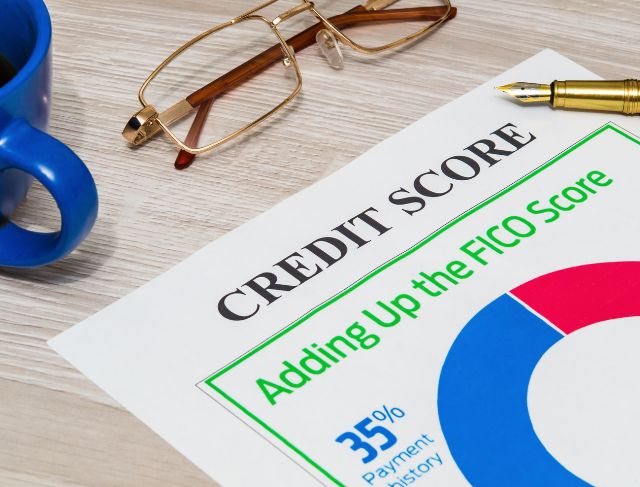

If you want to quickly improve your credit rating to get a mortgage, car loan, or debt consolidation quickly, there are ways for you to do this, without having to spend years building up a good credit history. There are ways for you to increase your credit rating quickly (not necessarily overnight but much quicker than most people would imagine).
For instance, when you apply for a mortgage, the difference in interest rate from the best rate you may receive, and the colour of the lenders who received it. However that small percentage can save you hundreds of dollars off your overall payments over the life of your mortgage. The same is true regarding car financing or personal loans.
If you establish a good credit history through use of credit, you will not only build a good credit profile but you will save yourself some money as a result of being able to negotiate lower interest rates for loans.
The traditional way to establish a good credit history takes time and there are many lenders that will not give borrowers the time to build a good credit history.
An option you have to reduce your balance of $300 without having to deplete your funds is to request a credit limit increase from your credit card company. If your credit limit is increased on that card from $1,000 to $2,000 and your balance is $600, your utilization drops to 30%.
You merely changed the math by increasing the limit on your card; nothing miraculous took place.
You should call your credit card company requesting an increase. They will ask you why you want the increase; you can report honestly that your purpose for the increase is to improve your credit profile, or to make larger upcoming purchases and need more flexibility. Make sure to ask for an increase you can realistically maintain.
Lower utilization = higher potential credit score = simple math!
They Forget This: You Are Trying To Get a Good Credit Score Based On Statement Balance
Most people believe credit scoring is based on how much they charge each month; in fact, credit scoring is based upon the amount of money reported on your statement at the end of your billing period.
This is the amount viewed by lenders when you apply for financing.
If you regularly pay your credit card completely each month (this is the most prudent habit), consider making additional payments before the end of your billing period. An example of this would be to make an additional payment every week. If you do this, the total of your reported credit card balance will be lower.
In an ideal world, your credit utilization ratio for your credit card balances to credit card limits will be below 30% — the lower the ratio the better, if your utilization is below 10% that’s even better!
With a $1,000 limit you will need to maintain your statement balance below $300 but preferably below $100.
This isn’t necessarily about reducing the amount of money you spend; it’s more about timing your payments better.
Realities Check
Even these “quick” tactics take time; credit reporting takes time. Lenders will update their reporting agencies each month, so allow at least two billing cycles before you can potentially see any change.
You still have to wait for some progress; however, you shouldn’t expect to have to wait years.
Borrowing Someone Else’s Good Habits
This will take trust, but it can be accomplished by becoming an authorized user on someone else’s credit card. You can receive a potential score boost by becoming an authorized user on a credit card account if the primary cardholder has been using the card correctly.
When you become an authorized user, you do not have to use the credit card; therefore, it is best that you do not.
The account will be reported on your credit report once you have been added to the account as an authorized user. If the credit card has:
- Low utilization
- Long credit history
- Perfect on-time payment history
All the benefits above are transferred to you.
Here is how this actually works behind the scenes:
The first thing that happens is that you will have more total credit available to you, and your total utilization percentage will decrease.
In addition, the longer you hold an account, the better your average account is going to be, so this will have an effect on your credit scores as well.
For instance, if you’re 25 years old and your average account age is 3 years; being added to a credit card that has been in place for 20 or 30 years will greatly improve that average account age.
Just make sure you know the cardholder is very responsible. If they have high utilization rates or miss payments, it will be to your detriment.
If You Want To Improve Your Score, Pay Off Your Credit Card Balances
Without a doubt; the fastest way to increase your credit score is to reduce your credit card balance.
Credit card usage is an indication of risk to lenders; low credit card usage indicates self-control.
If you have a balance on a credit card, work on getting the balance below 30% of the limit of the credit card, 10% is good for your credit score.
A small amount of money can have a significant impact if you can get that amount down below a certain threshold.
If you currently pay off your credit cards each month, just ensure that you keep your balance low prior to your statement closing date.
You do not have to close old credit card(s) to improve your credit score (closing a credit card can actually lower your available credit and increase your credit utilization ratio).
Having more lines of credit and using them create will only help boost your chances of obtaining a loan with favorable terms.
If you’re considering applying for financing, you can quickly improve your credit rating therefore allowing you the opportunity to receive improved terms on your loan application through some relatively simple strategies.
Reduce your credit utilization.
When applicable, request an increase in the amount of line of credit you have available to you.
If possible, request to be added as an authorized user on a friend or family member’s credit account.
Although this is not “sexy” in any sense of the word, it will provide you with a way to improve the amount of credit you have available.
Once you are approved for the loan, with better than expected terms, you will be glad you invested the time and effort into following this advice 90 days before your loan application.