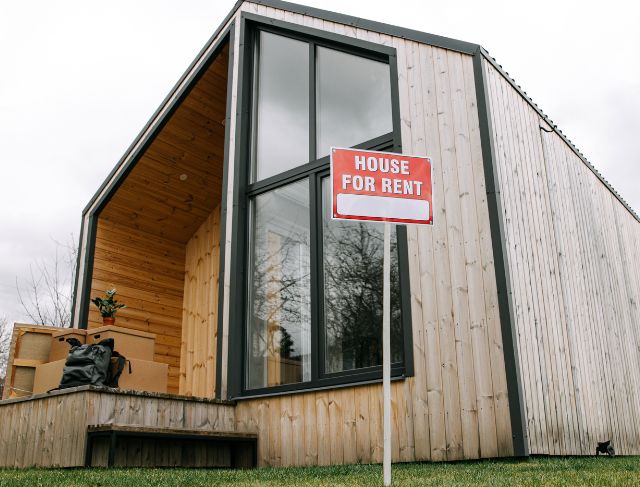

Renting should not be viewed as a waste of money. For many people in certain circumstances, renting can even be the better choice for that period of time.
The argument usually comes down to, “Why would I pay rent to my landlord when I could be paying my own mortgage?”. However, if you will take the time to do some of the research to figure out what the true differences between renting and owning are, you will find it can get quite a bit more complex than using the simple comparison of renting versus owning.
How Mortgage Payments Work
Many people who get mortgages tend to visualize their mortgage payment to them, and in turn, they will eventually have their home paid off. What they do not understand is that the first few years of a majority of mortgages look nothing like that.
When you first get your mortgage, you will pay a much larger portion of each payment towards interest rather than paying down your actual mortgage balance. After a few years of periodic payments, the balance will begin to decrease, which in turn will allow for a larger amount of each payment to go towards paying down the principal rather than the interest.
The term used to describe this process of payments against principal is amortization.
As you’re paying off your mortgage in the first few years, you’re basically just giving the bank your money instead of actually building equity as fast as most people think they are. An advantage of renting is the ability to leave with minimal effort. There are a number of events in life that happen suddenly; new job, new city, family growing etc., or just wanting to move to a different area.
When you decide to sell your house it takes quite some time to actually have it sold. You list your home on the market, negotiate with a buyer and have a home inspection done and then wait for them to get financing approved by a bank.
A renter can typically end a lease and notify their landlord that they will be moving out of the current home and then get ready to move into a new place. A renter can do this in much less time than it would take to sell a home.
If you are someone who moves often due to your career or lifestyle, this should be worth considering.
Another aspect of the purchase of a home that does not get discussed nearly enough are closing costs.
When you purchase a home, the price you agree to pay for the house is not the total you must bring to the closing. There are other costs that you will incur as part of the closing of a home purchase; loan origination fees, property appraisals, home inspections, title insurance and legal fees.
Add up to thousands of dollars, sometimes. Homeowners typically have an increase in their home’s value to help pay for their initial costs over time. But a person may not have enough of an increase in the value of their home, because they sell the home soon after buying it, and recoup the initial costs.
Renters usually don’t have those expenses. Moving to another rental property costs significantly less than moving to another owner-occupied home since the only thing that renters need to worry about when she moves into another rental unit is the cost of moving. The only upfront costs are the application fee and/or security deposit.
When a homeowner’s roof leaks or there is an appliance that fails, or an air conditioning unit fails at the worst possible time or the plumbing system fails for an unknown reason, those problems are going to be the homeowner’s responsibility, and the homeowner is going to have to pay to fix them.
When a renter has a problem/issue with the rental unit, the landlord is responsible for making the repairs, usually by a telephone call, or sending in a maintenance request to the landlord. The renter does not pay for the repair cost.
A difference between renters and homeowners without a substantial savings account or emergency fund can be significant.
While most people do not think about the ever-increasing costs of owning a home until they actually move into a new home, it is important to remember the costs of maintaining and repairing the home during, and after, the purchase of the home.
There are many other costs associated with owning a home in addition to the mortgage itself. The majority of these other costs include taxes, insurance, and homeowners association fees.
When the amount being put down on a house is less than 20 percent of the total price of the home, it may be necessary to also pay private mortgage insurance in addition to these other costs.
When the sum of all of these costs is added up together, your total monthly payment for the house will be significantly higher than the amount being paid for just the mortgage.
That does not mean that renting is always going to be the cheapest option, because there are times when buying a house may be more economical than renting. For example, if you plan on living somewhere for many years, the long-term advantages of owning a home will become apparent to you.
Homeowners will accumulate equity in their home as they pay off their mortgage and the value of their property increases over a period of time. Over time, that equity will equal a significant portion of the homeowner’s net worth.
But usually, this type of an advantage needs to have stability (geographically and financially) to work.
If you’re the type of person who needs flexibility, who’s still saving money, or who isn’t ready to settle down permanently in one place, renting will often give you the most benefit.
However, if you have stable finances, plan on living in one place for the next several years, and have saved an adequate amount to make a good down payment, then buying a home might make more sense for you.
Housing decision making does not have one answer. And sometimes the smartest financial decision you can make will actually fit your lifestyle rather than what someone tells you to do.